For decades, African small and medium enterprises (SMEs) have faced a familiar challenge: limited access to affordable financing. Despite their contributions to employment, innovation, and economic development, many businesses continue to struggle under financial systems that often classify them as high-risk borrowers.
But a new chapter is unfolding.
The launch of the Africa Credit Rating Agency (AfCRA) represents a significant milestone in Africa’s efforts to reshape how its economies, financial institutions, and businesses are assessed by investors and lenders.
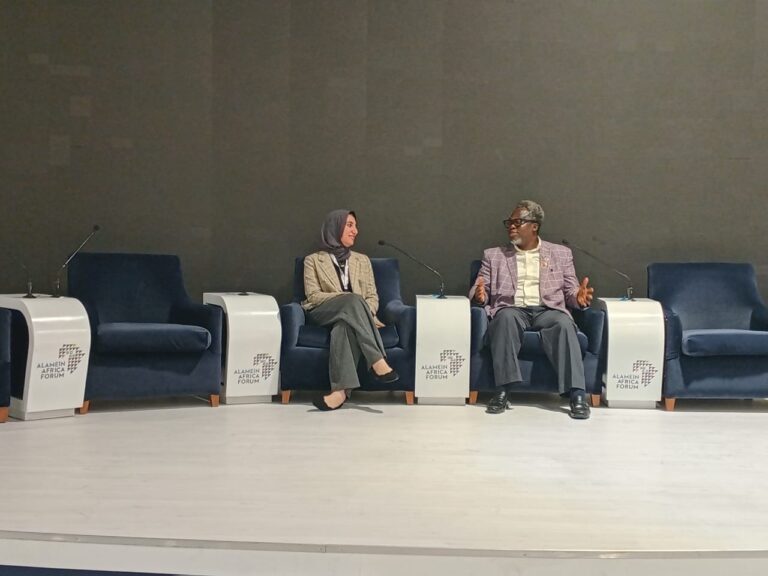
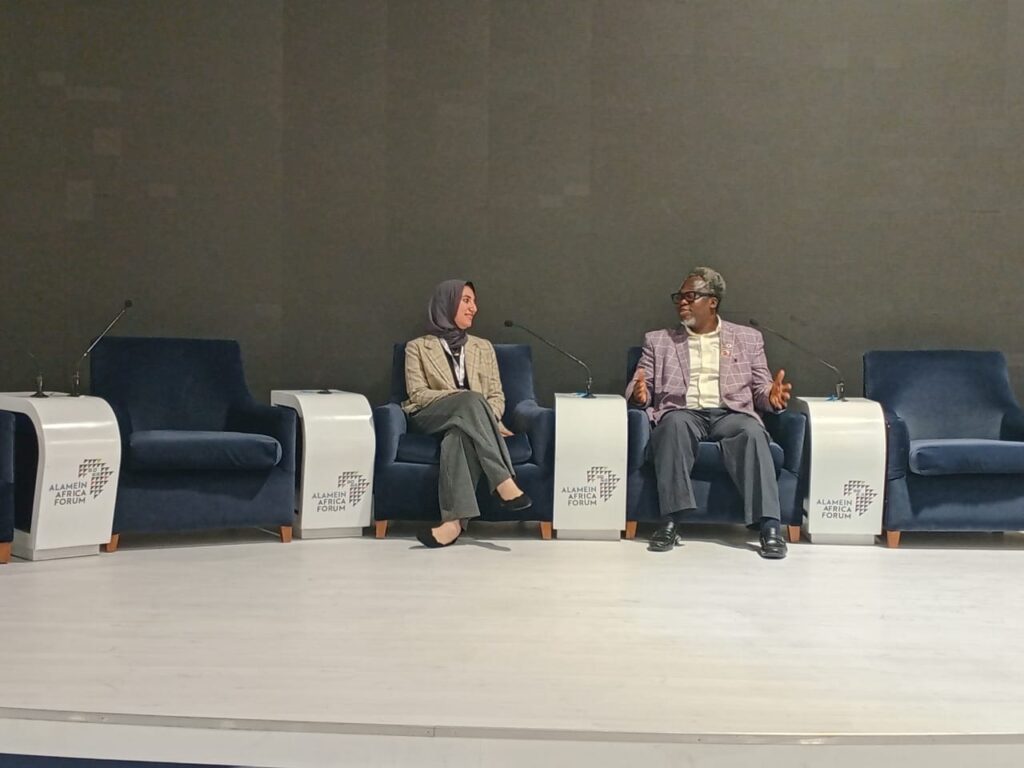
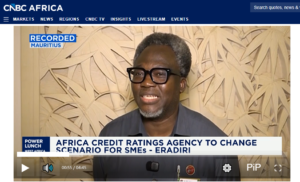
Speaking on CNBC Africa, Dr. Ebiekure Jasper Eradiri, President of the All Africa Association for Small and Medium Enterprises (AAASME), joined the conversation surrounding the potential implications of this development for Africa’s SME ecosystem.
A New Era for African Credit Assessment
On October 7, 2026, Africa marked a significant milestone in its journey towards financial independence with the official launch of the Africa Credit Rating Agency (AfCRA) in Port Louis, Mauritius.
The development represents the culmination of nearly a decade of continental efforts, following the African Union’s endorsement of the initiative in 2018.
In his October 6, 2026 article, Africa Now Has Its Own Credit Rating Agency, African policy analyst Desire Assogbavi examined the significance of this development, highlighting how an African-led credit assessment institution could reshape the continent’s access to international finance.
For years, Africa’s creditworthiness has largely been assessed through international rating frameworks dominated by institutions such as Moody’s, Fitch, and S&P Global.
Concerns have persisted that these assessments do not always adequately reflect Africa’s unique economic realities, contributing to higher borrowing costs and restricted access to capital.
The African Union-backed credit rating agency seeks to introduce a more contextual approach to evaluating African economies and businesses, potentially strengthening investor confidence and expanding financing opportunities.
For SMEs, the implications could be substantial.
A more informed understanding of African business environments could help financial institutions distinguish viable enterprises from genuinely high-risk investments, creating opportunities for businesses that have historically struggled to secure funding.
AAASME’s Advocacy for Fairer SME Financing
At the heart of this conversation is a challenge that AAASME has consistently championed: ensuring that African SMEs are not disadvantaged by financial systems that fail to recognize their potential.
Under Dr. Eradiri’s leadership, AAASME has continued advocating for Afrocentric financing models that reflect the operational realities of African entrepreneurs, particularly businesses operating within the informal economy.
The AAASME President has previously questioned the widespread classification of African SMEs as high-risk borrowers, arguing that such perceptions can restrict financing opportunities even for resilient and productive enterprises.
His position underscores a broader principle: Africa’s SMEs deserve financial systems that understand their circumstances, recognize their contributions, and support their growth.
Beyond Credit Ratings: Building an Africa That Finances Its Own Growth
While improved credit assessment could help reshape Africa’s financial landscape, access to finance remains a much broader challenge.
This is where AAASME’s ongoing initiatives become particularly relevant.
Through the Ubuntu Susu Continental SME Fund, a proposed US$1.4 billion financing initiative, AAASME is advancing an African-inspired approach to mobilizing capital and expanding financial opportunities for small businesses.
Rooted in the traditional African principles of collective contribution and shared prosperity, Ubuntu Susu seeks to provide an alternative pathway to SME financing, reducing dependence on conventional funding structures that often exclude smaller enterprises.
The initiative reflects AAASME’s commitment to translating continental financial reform discussions into practical opportunities for entrepreneurs.
Towards a More Inclusive African Financial Future
The emergence of Africa’s own credit rating agency signals growing determination to strengthen the continent’s financial independence.
However, the true measure of success will extend beyond improved sovereign ratings or greater investor confidence.
It will also depend on whether these reforms translate into affordable credit, increased investment, and meaningful opportunities for the millions of SMEs powering African economies.
For AAASME, the mission remains clear: advocate for financial inclusion, strengthen institutional partnerships, and promote African-led solutions that empower entrepreneurs to compete, innovate, and grow.
As Africa continues redefining its position within the global financial system, the conversation championed by Dr. Eradiri reinforces an important ambition: an Africa where SMEs are recognized not merely as borrowers seeking assistance, but as essential drivers of the continent’s economic transformation.
Through sustained advocacy and initiatives such as Ubuntu Susu, AAASME remains committed to advancing that vision and supporting the broader #AfricaSMEEconomicRevolution.
Source: CNBC Africa — Africa credit ratings agency to change scenario for SMEs — Eradiri.