Nigeria was instrumental in providing Funding. They sacrificed 20% of their salaries to help South Africa. Frontline States Angola, Zimbabwe, Tanzania, Mozambique, Zambia and Lesotho, came together and provided sanctuary, training and political headquarters for liberation movements like ANC.
The available data compels us to speak plainly. In 2024 alone, 59 reported incidents led to
the displacement of 2,946 individuals. In July 2025, a one-year-old Malawian child died in
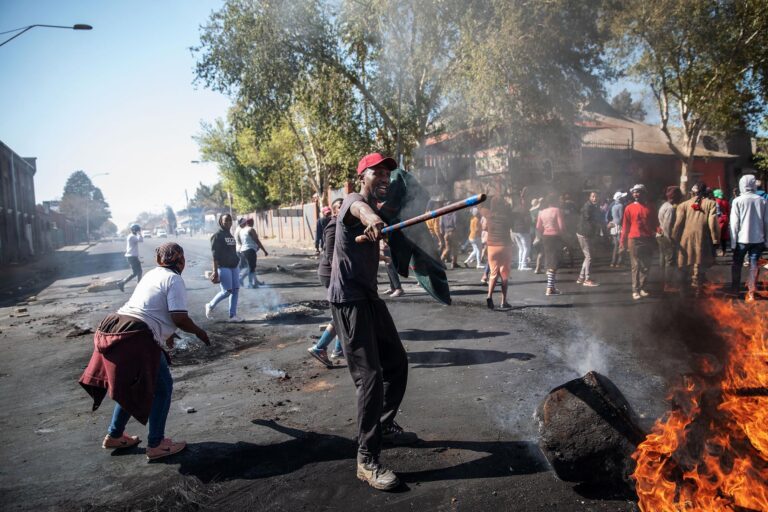
Alexandra after members of an anti-immigrant group allegedly blocked his family from accessing care at two government clinics because they lacked a South African identity document. These are not abstract numbers. We are talking about mothers, fathers, children, and entrepreneurs whose only offence was to seek a livelihood or a measure of safety. By May 2026, the situation had escalated to the point of formal diplomatic protests from Nigeria, Ghana, and Mozambique, with Nigeria announcing special evacuation flights for its nationals. The African Commission on Human and Peoples’ Rights has publicly deplored the violence and called on the South African government to dismantle vigilante groups and hold perpetrators accountable.
South Africa’s immigrant population stands at just over 3 million people. This is approximately 5.1% of the total population of the Republic of South Africa. 63.6 % of this cohort originate from the SADC region. These are, overwhelmingly, citizens of neighbouring states bound to South Africa by shared history, shared economies, and shared sacrifice in the struggle against apartheid.
Africa has come a long way in terms of emancipating itself economically. Africa predominantly has informal trading especially Cross-Border traders. In SADC alone, according to FinMark Trust, South Africa, Cross Border Trade serves as a critical livelihood strategy for millions, particularly women. Informal Cross Border Trade (ICBT) for SADC stated that this is a substantial, largely undocumented, yet highly significant economic activity.
Many organizations like Afreximbank, are now working towards formalizing these small to medium entities. Regional impact of informal trade accounts for approximately 30% to 40% of total Intra- SADC trade, according to FinMark Trust South Africa. The Monetary Value with SADC alone is estimated to be worth USD 17.6 billion per year. South Africa being the dominant market, with over 60% of regional trade occurring in this zone, often driven by traders from Zimbabwe, Mozambique, Zambia, Malawi, Botswana, Lesotho and Swaziland. The same people that are now being hunted like animals by their own blood.
While the trade is largely “informal”, many traders are engaging with the formal sector by buying from wholesalers in South Africa to sell in their home countries. AAASMEs have relied on this relationship to help create employment and income generation. African Continental Free Trade Area Agreement (AfCFTA) has come a long way. South Africa is not only a signatory in this body, but the Secretary-General, Wamkele Munene, is South African. The body’s Mission seeks to drive economic growth and structural transformation through enhanced regional cooperation. How is this going to be achieved when xenophobia takes precedence? Our AAASME President, Dr. Jasper Eradiri has questioned our Ubuntu spirit of yesteryear. The spirit of Kwame Nkrumah, Julius Nyerere and Nelson Mandela.
As an SME organization, we condemn the disruptions of businesses. Of note, is the lack of voices that matter, the Civic groups and The Leadership in South Africa that have been complicit in their silence to date, in condemning these archaic acts that, if kept on marching unimpeded, will lead us all back into recession.
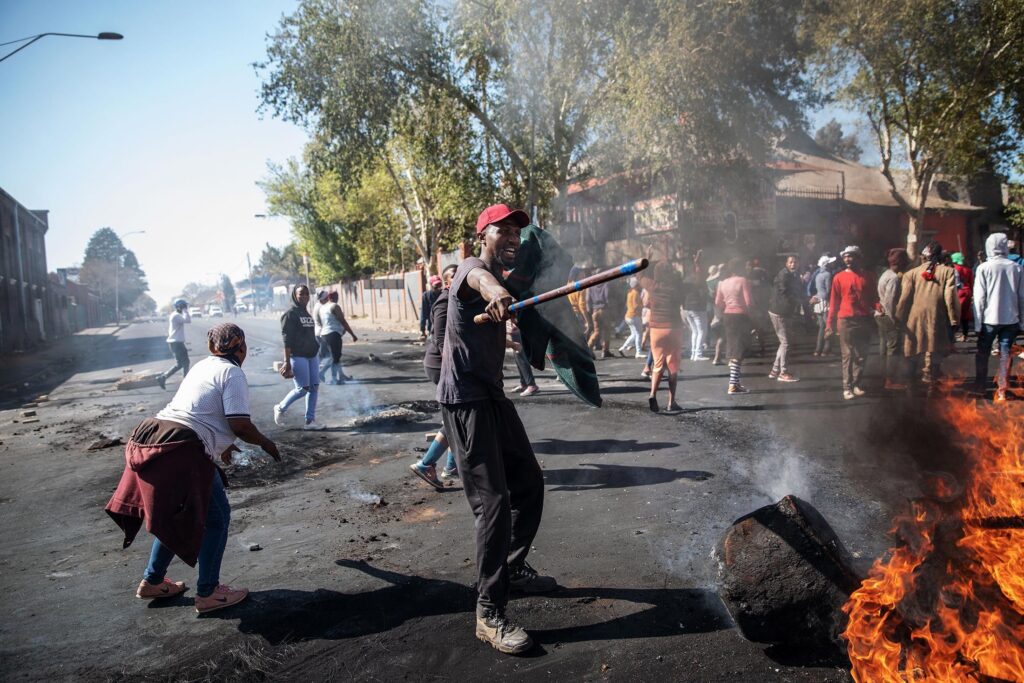
Let us be unequivocal: the existence of undocumented foreign nationals within South Africa’s borders is a legitimate policy concern that warrants serious governmental attention at a regional level. No credible voice disputes this. However, the mob-like violence, the vigilante raids, and the blocking of families from hospitals and schools are, regrettably, not genuine policy solutions. They are acts of terror. They violate the Constitution of the Republic, the African Charter on Human and Peoples’ Rights, and every principle of common decency. They do not distinguish between undocumented and lawfully present individuals. They target people by the colour of their skin, the accent of their speech, or the spelling of their name. Documented professionals, long-standing business owners, refugees with legal status have all been swept up in this tide of indiscriminate brutality.
We must also address what is plainly visible yet seldom spoken about. These demonstrations do not bear the hallmarks of spontaneous community frustration. The same individuals are observed at protest sites across multiple provinces, from Gauteng to KwaZulu-Natal. This level of national coordination, comprising the transportation, accommodation, printed materials, and sustained mobilization, requires substantial funding and meticulous planning.
We call on investigative bodies and civil society to interrogate who is financing these campaigns and to what political end. A hungry, unemployed populace is being weaponized, and those orchestrating this theatre of hate must be identified and held to account.
The gruesome footage now in global circulation: images of people beaten, burned, and hunted has already inflicted irreparable damage on South Africa’s standing as the continent’s anchor economy. Investment confidence erodes with every viral clip. Retaliatory sentiment against South African businesses operating across the continent is growing. The R37-billion in annual trade flows within the SADC region, the cross-border supply chains, and the collaborative frameworks that underpin Africa’s collective economic ambition are all
imperiled. This violence does not protect South African jobs, for the most part, it destroys them. We therefore call upon regional leaders, the Heads of State of the Southern African Development Community, the leadership of the African Union, and the Government of the Republic of South Africa, to exercise the requisite leadership that this moment demands.
The structural causes of undocumented migration, economic collapse in sending nations, porous border management, corruption in immigration systems, and the absence of viable legal pathways for labor mobility must be addressed through coordinated, multilateral action. The solution does not lie in sjamboks, intimidation and mob justice. South Africa’s unemployment crisis, at over 32 %, is a real concern. It deserves an urgent, innovative policy solution. The answer lies in economic reform, industrial strategy, and regional cooperation. The answer is undoubtedly not in the persecution of vulnerable immigrants.
Africa has a lot in common. One people, we cannot choose to magnify our differences. We remain hopeful, though. Africa has overcome divisions more entrenched than this. The continent that defeated the Berlin Conference atrocities, colonialism and dismantled apartheid, possesses the moral imagination and the institutional architecture to resolve this crisis. Our leaders just have to choose to lead. We urge them to act now, before more lives are lost and before the bonds of African solidarity are broken beyond repair.
VP, Southern Africa — All Africa Association for SMEs (AAASME)